Booking now open for summer!
The ingredient that quietly defines Spanish cuisine—from flavor to technique.
Many cuisines use olive oil.
Spanish cuisine is built on it.
In Spain, olive oil is not a finishing touch or a healthy substitute. It is a structural ingredient—one that shapes flavor, texture and technique from the very first step of cooking. Understanding Spanish food without understanding its olive oil is nearly impossible.
Spain is the world’s largest producer of olive oil, but quantity is not what defines its role in Spanish kitchens. What matters is how it is used.
Olive oil appears at every stage:
This versatility is not accidental. It is the result of centuries of refinement.
Spain cultivates distinct olive varieties such as Picual, Arbequina and Hojiblanca. Each brings a different balance of fruitiness, bitterness and peppery finish.
These profiles allow chefs to choose olive oil intentionally—matching it to seafood, meats or vegetables rather than treating it as a neutral fat.
Spanish olive oil is often produced with early-harvest olives and cold extraction. This preserves aroma, antioxidants and flavor intensity.
Freshness matters. In Spanish cooking, olive oil is expected to taste like olives, not simply disappear into the dish.
Spanish cuisine relies on olive oil not only for flavor, but for control.
It allows:
This is why Spanish dishes feel rich without being heavy. Olive oil supports ingredients instead of overwhelming them.
In many Spanish meals, olive oil is present as its own element.
Drizzled over bread.
Poured onto tomatoes.
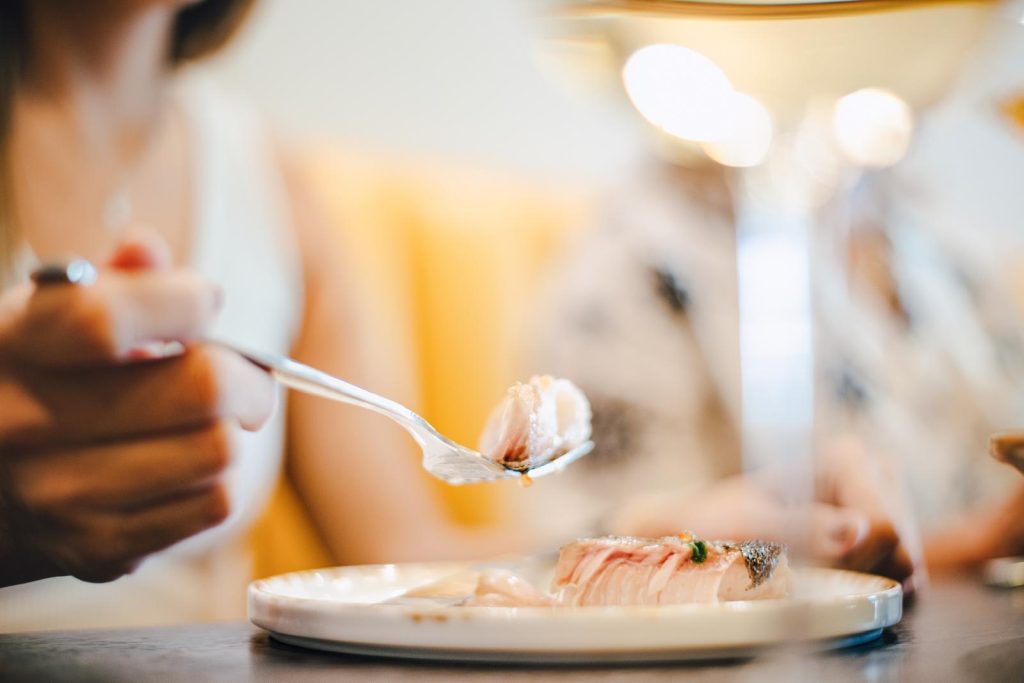
Used to finish seafood.
This practice turns olive oil into a shared sensory experience. Guests taste the oil directly, understanding its role rather than consuming it invisibly.
California values ingredients with identity—products that reflect origin, craft and transparency. Spanish olive oil fits naturally into this mindset.
It aligns with:
As diners become more educated, olive oil shifts from background to focal point.
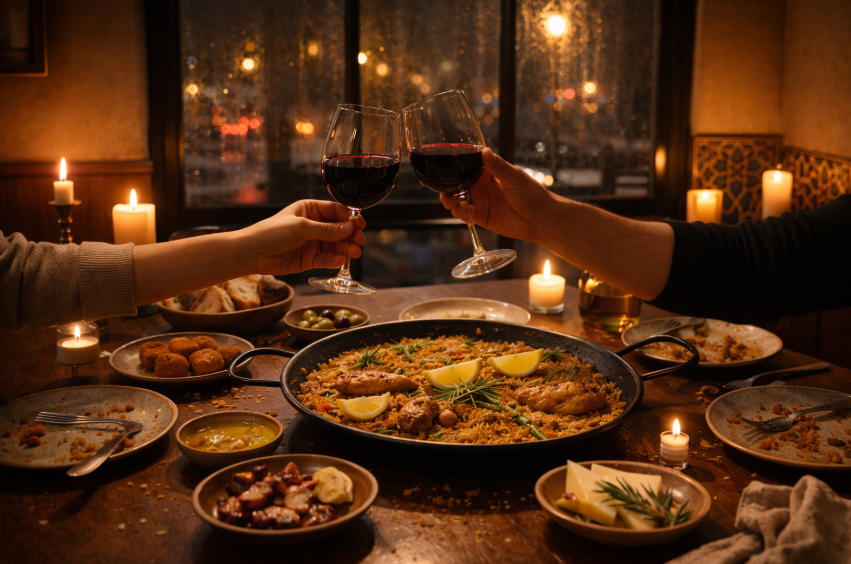
At Puerta del Sol, olive oil is chosen deliberately, not generically.
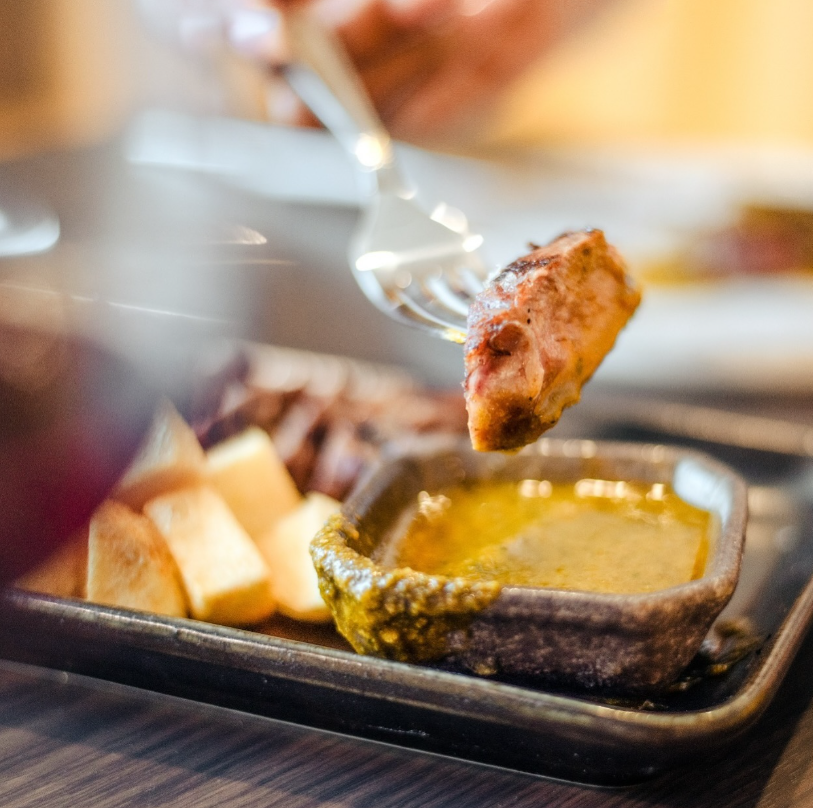
It anchors sofritos, enhances seafood, supports grilling and appears at the table as part of the experience. The goal is not to showcase olive oil for attention, but to let it quietly elevate every dish.
This approach mirrors how Spanish kitchens operate—subtle, disciplined and precise.
When olive oil is treated as a core ingredient rather than a utility, food changes.
Flavors feel clearer.
Textures feel smoother.
Meals feel more complete.
That difference is not dramatic.
It is foundational.
Is Spanish olive oil different from Italian or Greek olive oil?
Yes. Different olive varieties, climates and extraction methods create distinct flavor profiles and uses.
Can olive oil be used for high-heat cooking?
Yes. High-quality Spanish olive oil is stable and commonly used for grilling and sautéing.
Why does Spanish food rely so heavily on olive oil?
Because it provides flavor, structure and balance without overpowering ingredients.
Is olive oil meant to be tasted on its own?
In Spanish culture, yes. Olive oil is often served raw to appreciate its aroma and character.
Does olive oil affect how a dish feels, not just tastes?
Absolutely. It influences mouthfeel, heat control and overall balance.
.png)
.jpg)
.jpg)
.jpg)
.jpg)
.jpg)