¡La reserva ya está abierta para el verano!
Why Iberian flavors resonate so deeply with Bay Area diners—and why San José became the perfect place for them.
Spanish cuisine did not arrive in California by accident.
It arrived because the culture here was ready for it.
From the Mediterranean coast to the Bay Area, Spanish food carries a way of eating that values time, conversation, craft and restraint. These values align naturally with a region that appreciates authenticity, diversity and intentional living—especially in places like San José.
California has always welcomed global food traditions, but only some truly take root. Spanish cuisine does because it offers balance.
It is flavorful without excess.
Traditional without being rigid.
Social without being performative.
This balance mirrors California’s evolving dining culture, where people look for experiences that feel real rather than manufactured.
At the heart of Spanish cooking is the Mediterranean way of eating: olive oil, seafood, vegetables, grains and simple techniques executed with precision.
These elements align seamlessly with California’s ingredient-driven mindset and its appreciation for health-conscious, flavor-forward food. Spanish cuisine does not try to impress loudly—it earns attention quietly.
That subtlety matters.
San José is one of the most culturally diverse cities in the United States. Its diners are curious, well-traveled and open to culinary depth. They value food that tells a story and respects its origins.
Spanish cuisine fits naturally into this ecosystem. It offers:
In a city driven by innovation, Spanish food offers grounding.
True Spanish cuisine does not rely on reinvention to succeed abroad.
Its strength lies in fidelity.
Rather than altering recipes to fit expectations, authentic Spanish restaurants preserve technique, timing and ingredient integrity. This approach allows diners to experience Spanish food as it is meant to be—not as a translation, but as an expression.
That commitment is what builds trust.
Puerta del Sol does not attempt to recreate Spain nostalgically, nor does it dilute tradition to fit trends. Instead, it brings Spanish cuisine into the Bay Area with respect and clarity.
The menu reflects Iberian roots.
The pacing respects Spanish dining culture.
The experience adapts to San José without losing its soul.
It is not about importing a country.
It is about honoring a way of eating.
As diners grow more discerning, they look for restaurants that offer coherence—between food, space and experience.
Spanish cuisine delivers that coherence naturally. It does not chase novelty. It relies on depth, repetition and refinement.
That is why it continues to find a home far beyond Spain—and why it feels especially at home in California.
Spanish cuisine in San José is not a moment.
It is a settlement.
When food respects time, place and people, it does not fade. It integrates. And that is exactly what has happened—from Spain to San José.
Why is Spanish cuisine becoming popular in California?
Because it aligns with values of authenticity, balance and social dining.
What makes Spanish food different from other Mediterranean cuisines?
Its emphasis on shared plates, technique-driven cooking and minimal manipulation of ingredients.
Why does Spanish dining feel more relaxed?
Because meals are structured around pacing and conversation rather than speed.
Is Spanish cuisine traditional or modern?
Both. It evolves without losing its roots.
Why is San José ideal for Spanish restaurants?
Its diversity, openness to global culture and appreciation for quality-driven experiences.
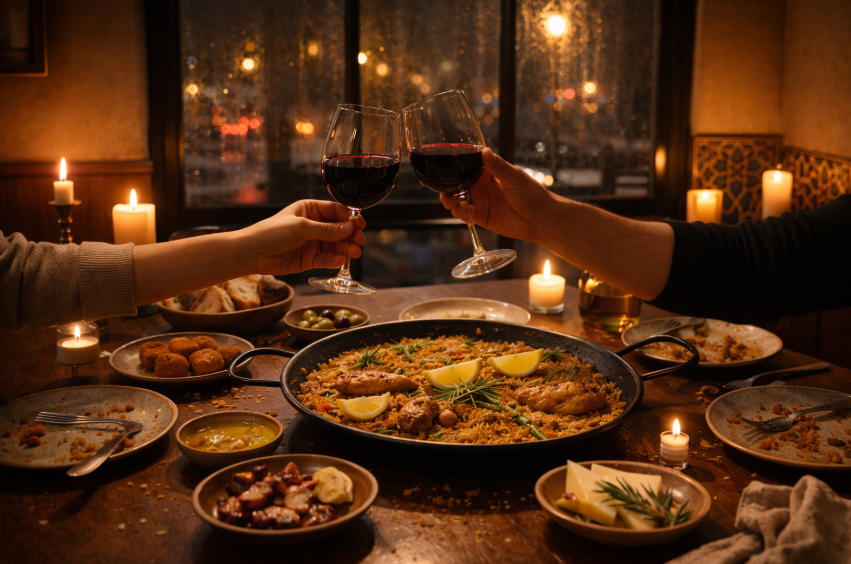
.png)
.jpg)
.jpg)
.jpg)
.jpg)
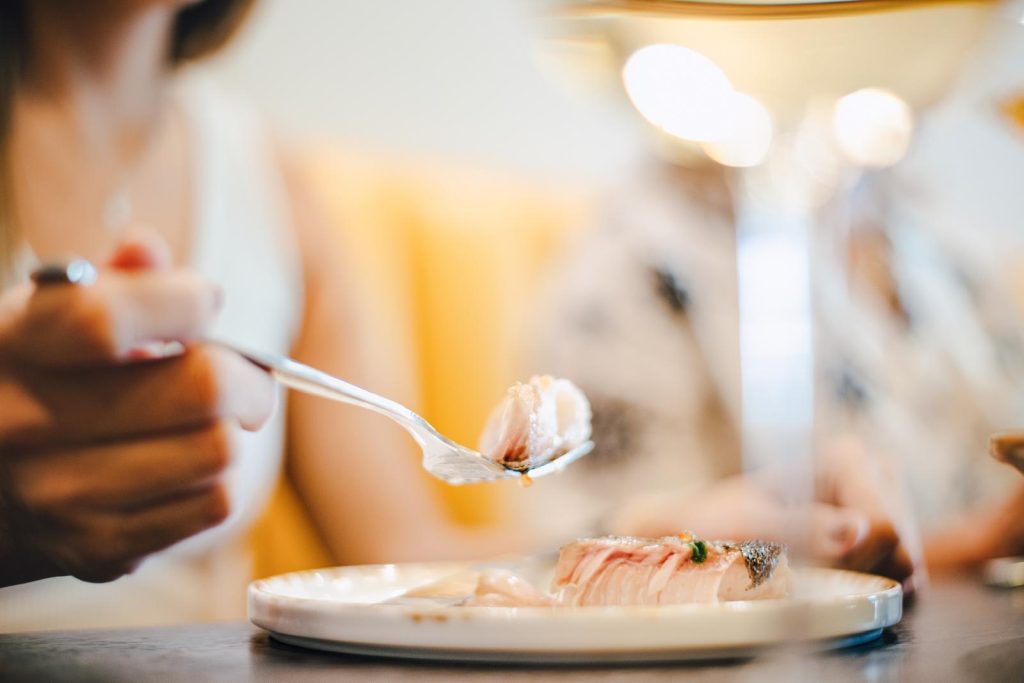
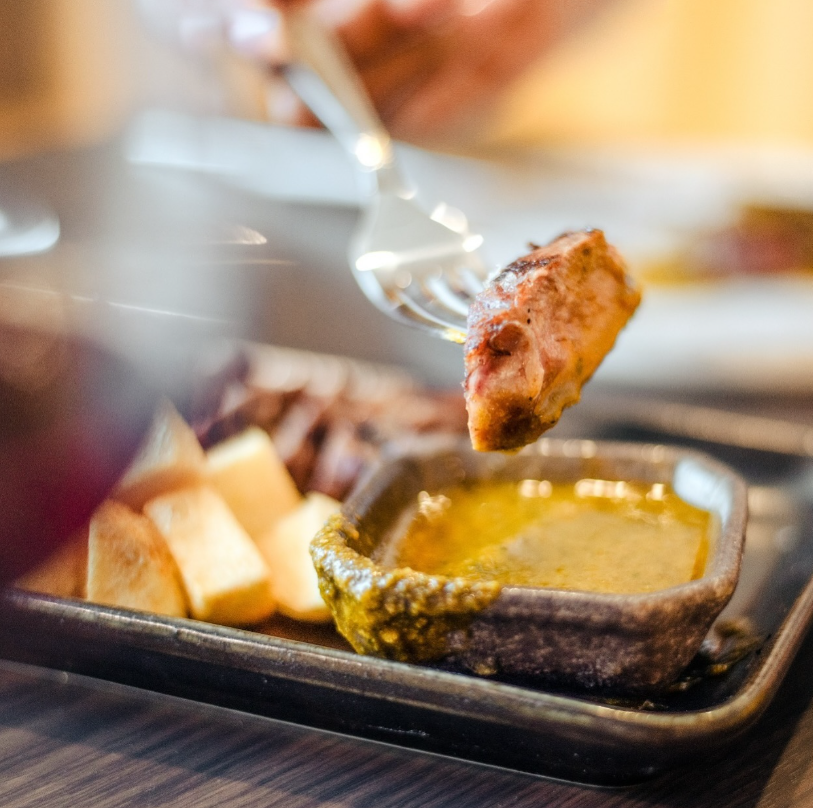
.jpg)