¡La reserva ya está abierta para el verano!
The social tradition behind Spain’s most iconic way of eating—and why it fits perfectly in California.
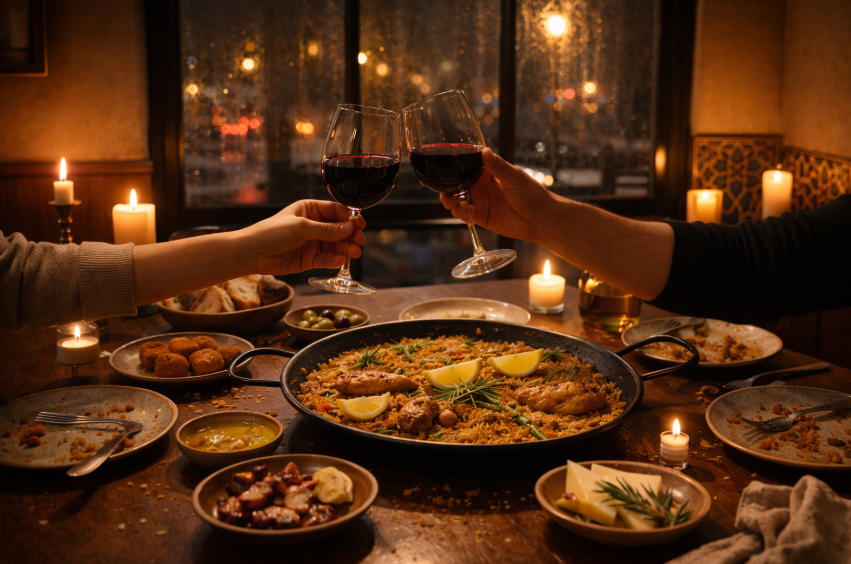
Dining trends move in cycles. After years of individual plates and hyper-personalized orders, California diners are returning to what feels more natural: eating together, interacting over food and discovering flavors collectively.
Tapas culture, rooted in Spain’s centuries-old tradition of sharing, thrives in this environment. It offers variety without excess, flavor without complexity, and connection without formality.
In San José, this shift is reshaping the expectations of modern dining.
Tapas are not simply “small plates.” They represent a way of relating. In Spain, tapas encourage movement, conversation and tasting multiple dishes without committing to one heavy entrée.
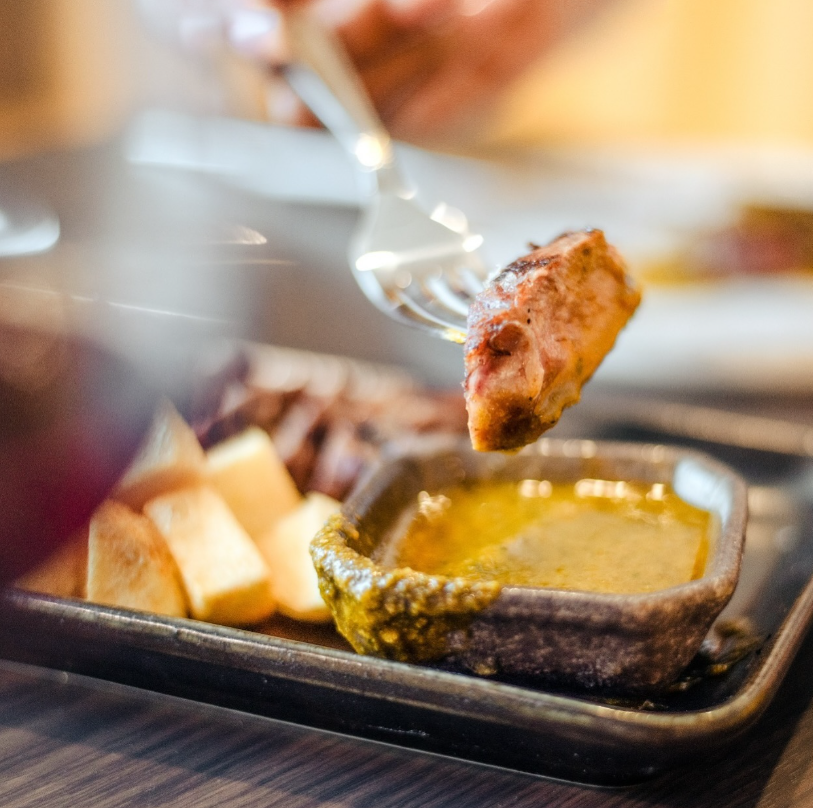
A tapa is small, but it must be precise. Good olive oil, fresh seafood, cured meats and simple preparations define the experience. Iberian cooking focuses on quality ingredients executed with clarity.
Tapas create a rhythm at the table. One plate arrives, then another, then another—each dish offering a new flavor or texture. It turns the meal into a collective exploration rather than a static event.
California’s multicultural dining landscape makes it an ideal place for tapas to flourish.
Diners increasingly seek different flavors in a single meal. Tapas deliver that range effortlessly—seafood, vegetables, meats and seasonal creations coexist on one table.
Small portions allow guests to enjoy multiple dishes without feeling overwhelmed. The Mediterranean profile—olive oil, fresh produce, grilled proteins—aligns with California’s health-oriented preferences.
Tapas naturally create interaction. Groups talk, taste and share. This aligns with the Bay Area’s preference for relaxed dining over rigid formality.
Puerta del Sol honors the Spanish principle that tapas are moments of connection. Dishes highlight true Iberian flavors: pan con tomate, tortilla española, grilled prawns, croquetas and jamón ibérico.
Rather than overwhelming guests with endless options, the menu focuses on dishes that respect authenticity and technique.
The restaurant blends Spanish tradition with California’s appreciation for quality sourcing, seasonal ingredients and refined presentations.
Luxury is changing. It’s no longer about abundance; it’s about intention and connection.
Tapas offer exactly that: thoughtful dishes, shared moments, and a dining style that prioritizes experience over excess.
As Spanish cuisine gains ground in California, tapas emerge not just as a trend, but as a new standard for sophisticated, social dining.
Tapas are small, shareable Spanish dishes meant to encourage conversation and communal eating.
They offer variety, align with Mediterranean flavors and support a social, relaxed dining atmosphere.
Many tapas emphasize fresh seafood, vegetables, olive oil and grilled proteins, making them a balanced option.
Pan con tomate, croquetas, tortilla española, gambas al ajillo, jamón ibérico and pulpo a la gallega.
Yes. Multiple tapas shared across the table can create a complete and satisfying dining experience.
.png)
.jpg)
.jpg)
.jpg)
.jpg)

.jpg)