
Why Spanish Cuisine Is Taking Over California: The Unexpected Trend Starting in San José
A closer look at why authentic Iberian flavors are shaping the Bay Area’s dining culture.
A Shift in California’s Culinary Landscape
California has always been a melting pot of global flavors, but the current rise of Spanish cuisine marks a different kind of transformation. Diners are moving away from overly complex concepts and turning toward food that expresses identity, origin and craft. Spanish cooking delivers all three.
In cities like San José, an appetite for authenticity is accelerating this trend.
The Appeal of Spanish Flavors in a Diverse Market
Simplicity with Technique
Spanish cuisine is rooted in excellent ingredients: olive oil, fresh seafood, aged meats, charred vegetables, and slow-cooked broths. The techniques are traditional, but the results feel modern—clean flavors with depth.
A Culture of Sharing
Tapas culture aligns naturally with California dining habits. Groups want variety without heaviness. Tasting and sharing create a social experience that complements the Bay Area’s multicultural identity.
A Mediterranean Alternative
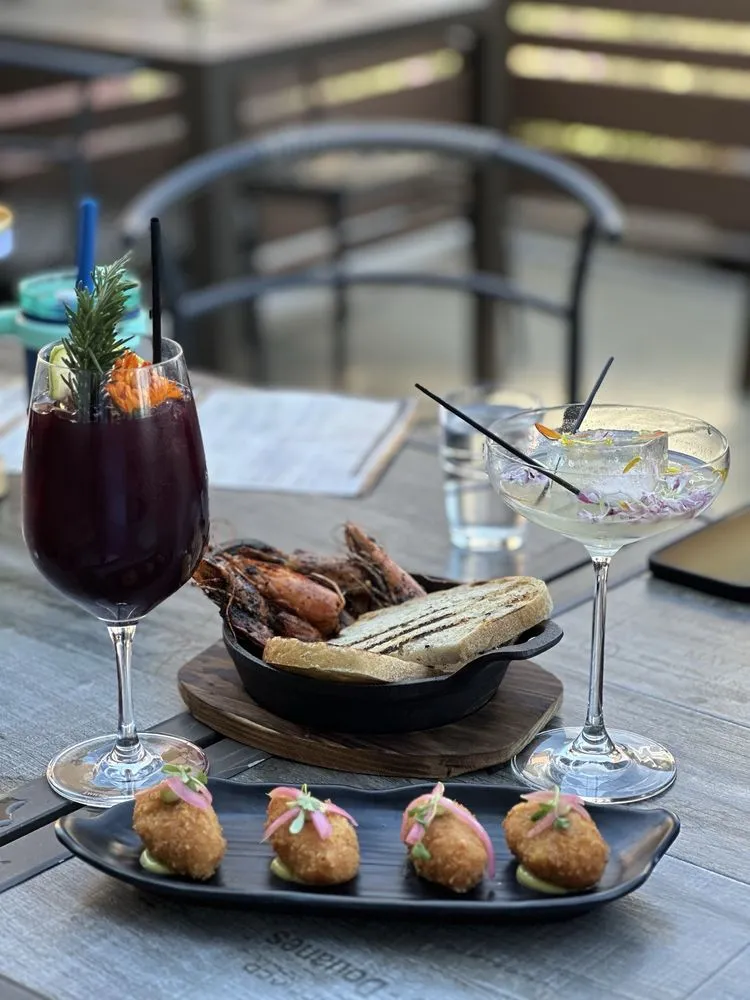
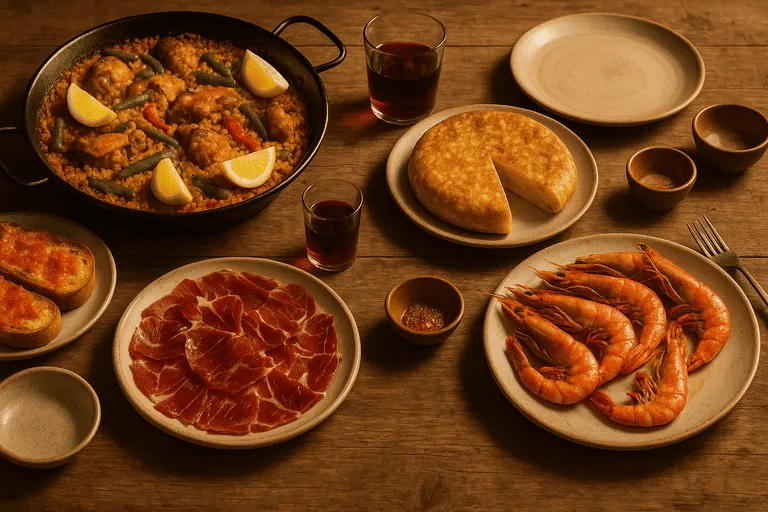
Health-conscious diners are embracing Mediterranean diets. Spain provides a version that feels both balanced and indulgent. Dishes like pulpo a la gallega, tortilla española and grilled prawns offer vibrancy without excess.
San José as the New Hub for Iberian Cuisine
San José’s population is diverse, globally connected and open to culinary exploration.
This has created the conditions for Spanish restaurants to thrive. The Bay Area’s demand for craft, tradition and technical cooking elevates the relevance of Spanish gastronomy—especially when executed with precision.
The Rise of Destination Restaurants
Restaurants like Puerta del Sol tap into this momentum by offering cuisine that is unmistakably Spanish. Not a fusion. Not a reinterpretation. A direct bridge to Spain’s culinary identity.
What Diners Are Searching For
Online search trends show increased interest in terms like “Spanish tapas San José,” “paella near me,” and “Mediterranean seafood restaurant.”
The pattern is clear: Californians want Spanish flavor anchored in tradition, not trends.
Why Puerta del Sol Represents the New Standard
Ingredients with Provenance
Spanish olive oil, smoked paprika, Cantabrian anchovies, artisan cheeses and fresh seafood establish a baseline of quality.
Technique-Driven Plates
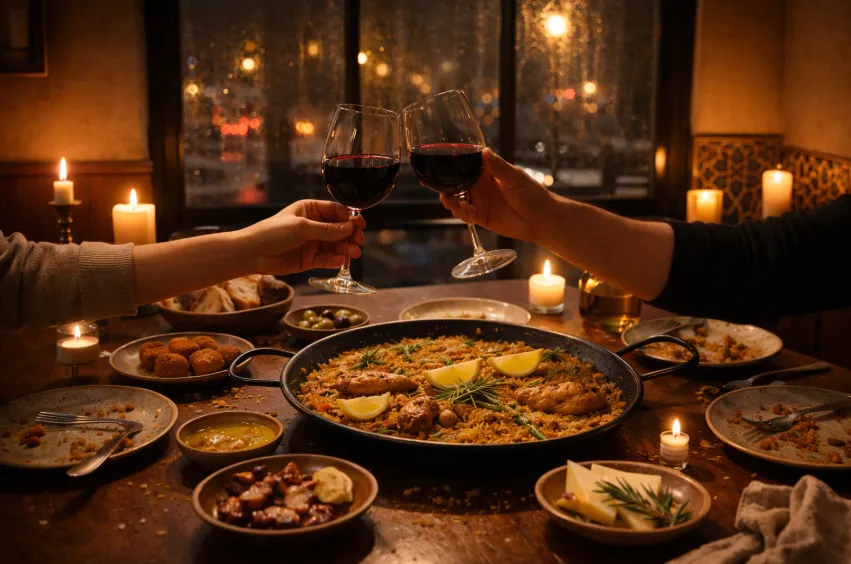
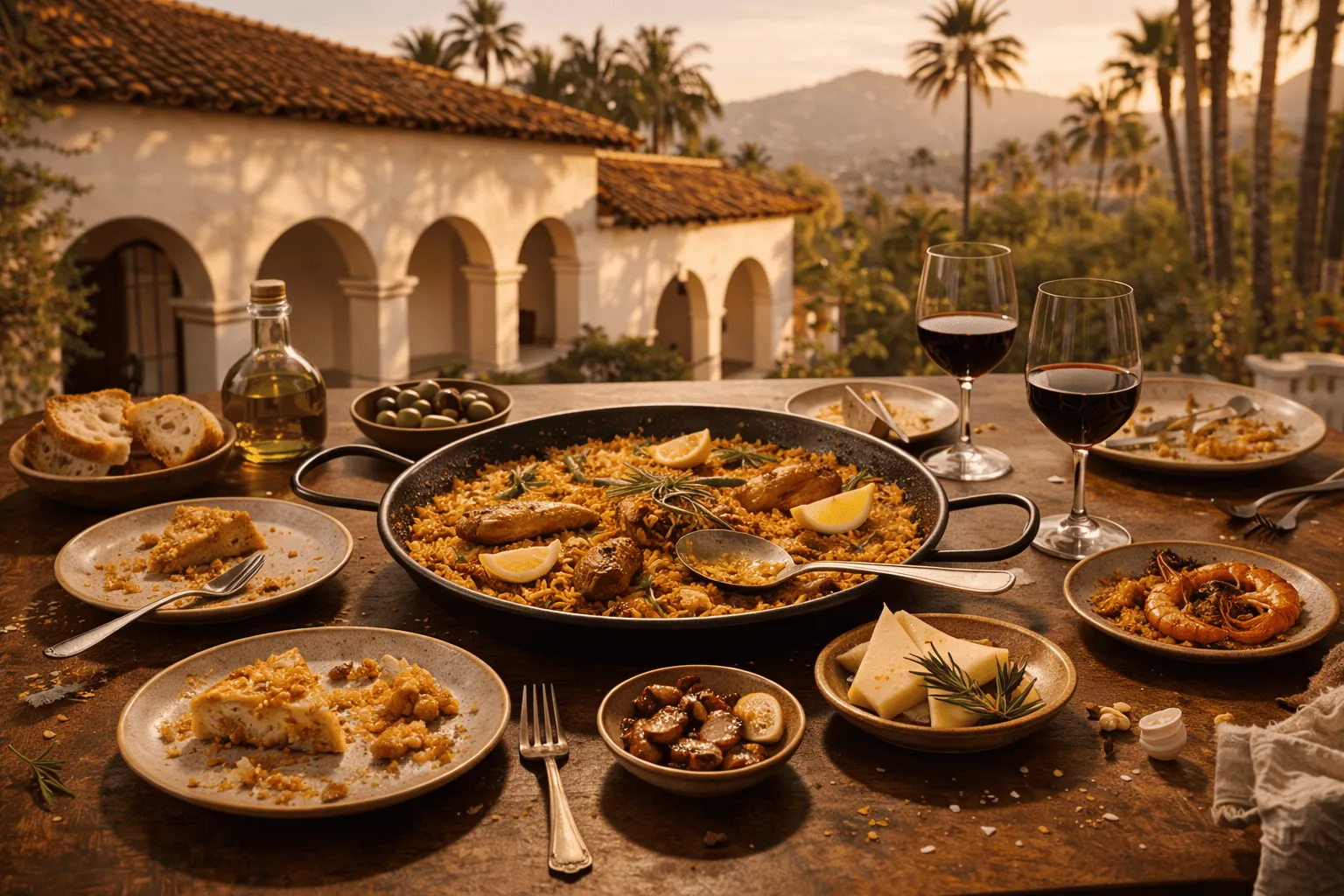
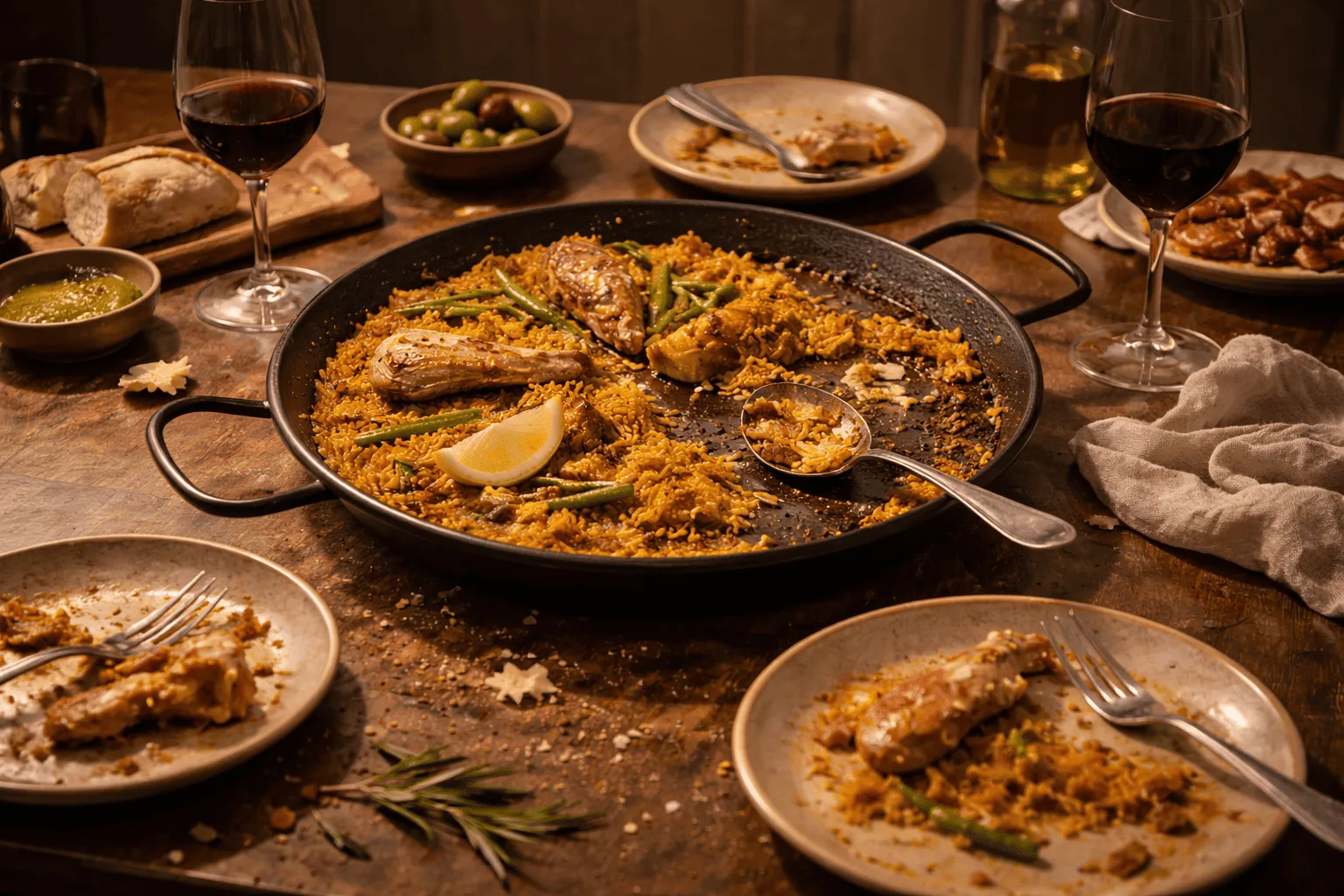
From slow-simmered caldo to perfectly caramelized paella socarrat, technique—not ornament—defines the craft.
A Spanish Experience, Not Just a Menu
The atmosphere, the sequencing of plates, and the structure of shared dishes replicate the rhythm of Spanish dining.
This is what creates loyalty, not novelty.
The Future of Spanish Cuisine in California
Spanish gastronomy will continue expanding in regions where diners value authenticity and storytelling.
San José is becoming one of those places. And restaurants that respect the roots of Iberian technique—like Puerta del Sol—are positioned to lead this movement.
FAQs
Why is Spanish cuisine becoming popular in California?
Because Californians value authenticity, quality ingredients and Mediterranean approaches to cooking. Spanish cuisine offers all three.
What makes Spanish food different from other Mediterranean cuisines?
It relies on bold simplicity: smoked spices, seafood, olive oil, charred vegetables and slow cooking techniques.
Is Spanish cuisine healthy?
Yes. Many dishes align with Mediterranean diet principles, emphasizing vegetables, lean proteins and olive oil.
Why is San José a hub for Spanish restaurants?
The city’s diverse population and openness to global flavors create favorable conditions for authentic Iberian cuisine.
What dishes define Spanish cuisine?
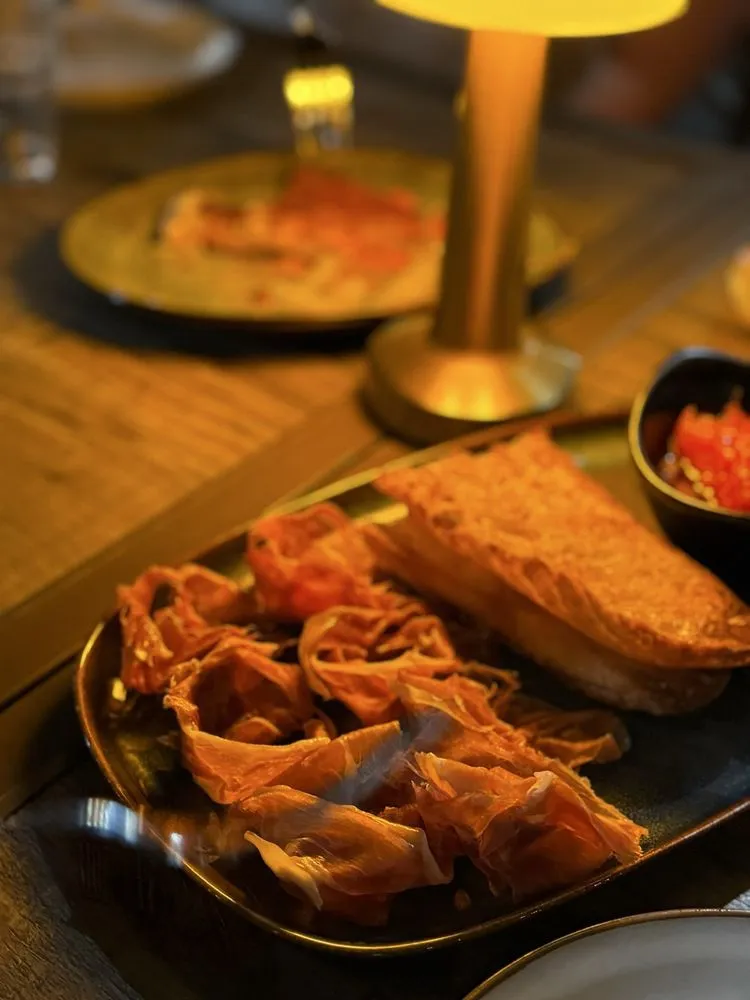
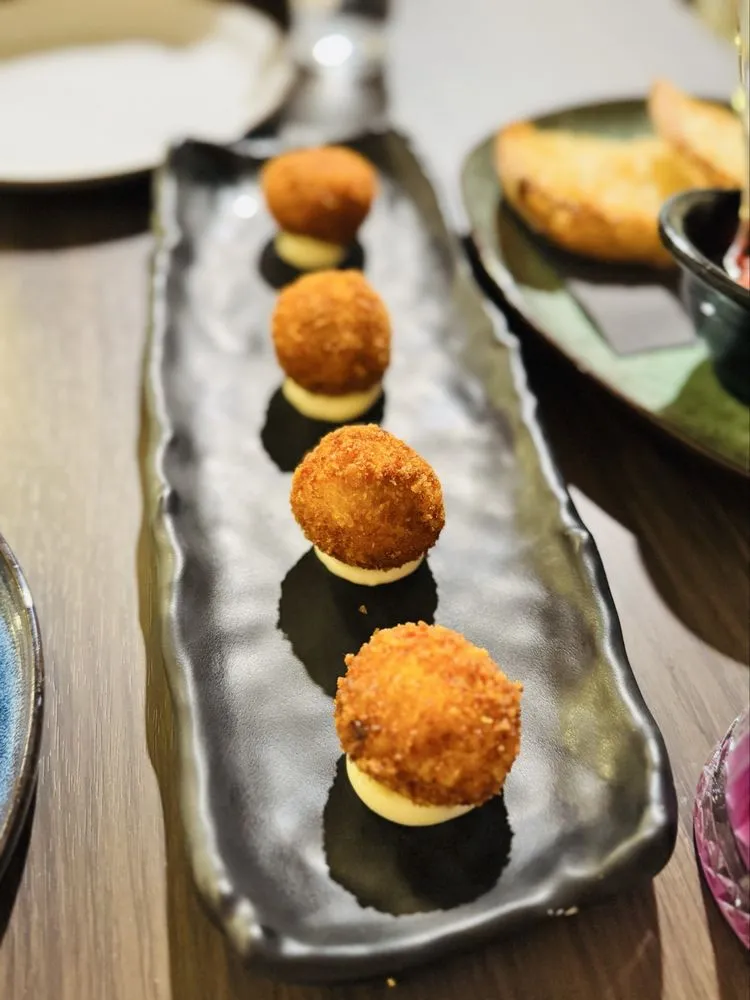
Paella, tortilla española, pulpo a la gallega, croquetas, gambas al ajillo and jamón ibérico are among the most recognized.
Come share Spain with us.